About this journey
The Druk Path is one of Bhutan’s best-known treks. It crosses the high country between Paro and Thimphu on forest trails and open ridges, past alpine lakes such as Jimilang Tsho, with views of Himalayan peaks when the weather is clear.
The trip begins with time in Paro to acclimatise and check equipment, and ends with an easy recovery day in Thimphu. Camps, support team and the exact route are confirmed with you before departure.
Tour highlights
- Camp-based trekking on the Druk Path between Paro and Thimphu
- High-altitude lakes, including Jimilang Tsho where conditions permit
- Ridgeline views of Himalayan peaks on clear days
- An acclimatisation day in Paro before the trek
- A recovery day in Thimphu afterwards
Day-by-day itinerary
Day 1 Arrive in Paro
Begin the day with a gentle airport arrival and transfer to your accommodation, leaving the remainder of the day for rest and hydration. The experience introduces acclimatization and the landscapes of western Bhutan, giving travellers context rather than simply moving between attractions. After a relaxed lunch, continue with a short walk around Paro town or a nearby viewpoint if time and energy allow, while your guide checks equipment and explains the trekking plan. Later, enjoy a briefing covering walking pace, weather layers, water, personal medication, and responsible camping practices. Trek arrangements, camping support, and trail conditions must be confirmed before departure.
Day 2 Paro acclimatization and heritage walk
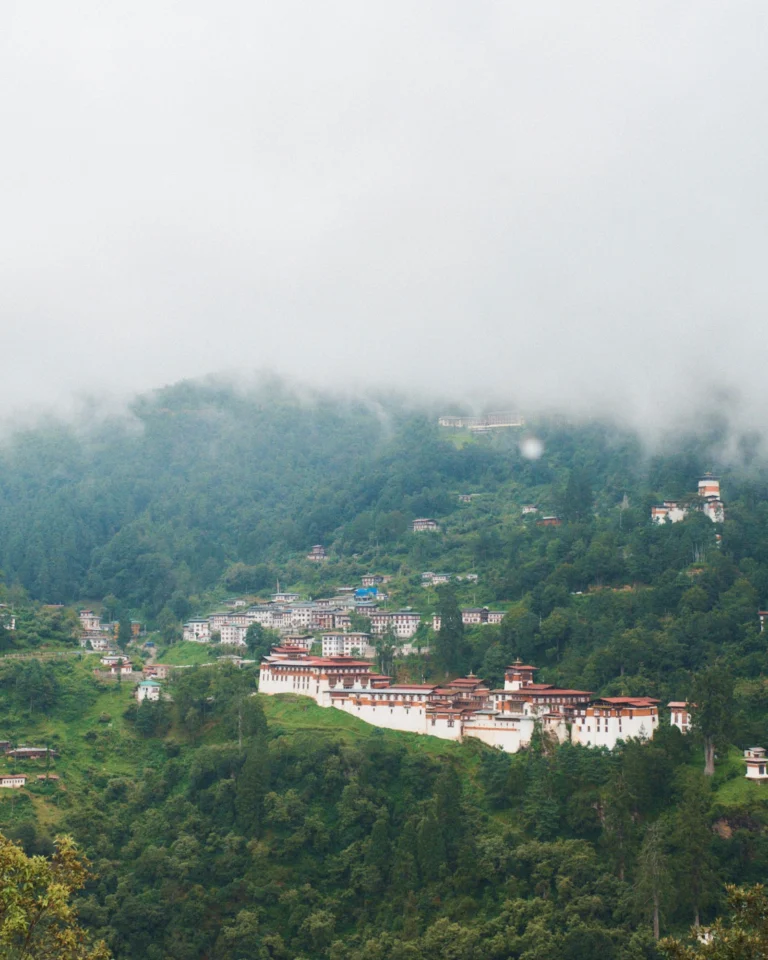
Begin the day with a visit to Rinpung Dzong or Kyichu Lhakhang, selected according to opening hours, to introduce Bhutanese history and religious etiquette. The experience introduces the valley’s cultural heritage before entering the mountains, giving travellers context rather than simply moving between attractions. After a relaxed lunch, continue with a gentle walk on a suitable local trail, keeping the effort light before the trek; the guide can check footwear and help organize personal gear. Later, enjoy an early dinner and final trek briefing, including the expected walking hours, altitude changes, weather variability, and the importance of following the guide’s advice.
Day 3 Begin the Druk Path Trek
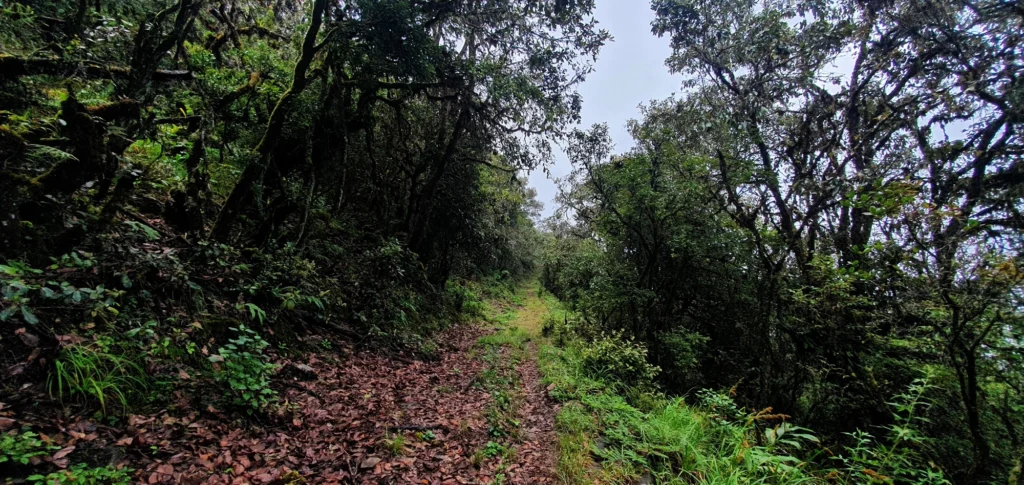
Begin the day with the transfer to the trailhead and a steady ascent through forest, with breaks to regulate pace and enjoy views back toward Paro Valley. The experience introduces forest trails and the gradual transition to high country, giving travellers context rather than simply moving between attractions. After a relaxed lunch, continue along the trail through changing vegetation and open viewpoints, stopping for lunch and water breaks. The day’s exact camp and walking distance depend on trail conditions and the operator’s confirmed route. Later, arrive at the designated campsite, where the support team organizes camp and a warm meal. Keep the evening relaxed, stay hydrated, and follow guidance for sleeping at altitude.
Day 4 Trek toward Jangchulakha
Begin the day with a camp breakfast followed by a gradual climb through forest and open slopes, with the guide setting a sustainable pace for the group. The experience introduces highland meadows, ridgelines, and mountain panoramas, giving travellers context rather than simply moving between attractions. After a relaxed lunch, walk across highland terrain with opportunities to view distant Himalayan peaks when visibility is good. Conditions can change quickly, so breaks and the precise route are adjusted to the group’s fitness and weather. Later, reach the planned camp area, enjoy a hot meal, and learn about the fragile alpine environment.
Day 5 Lakes and high passes
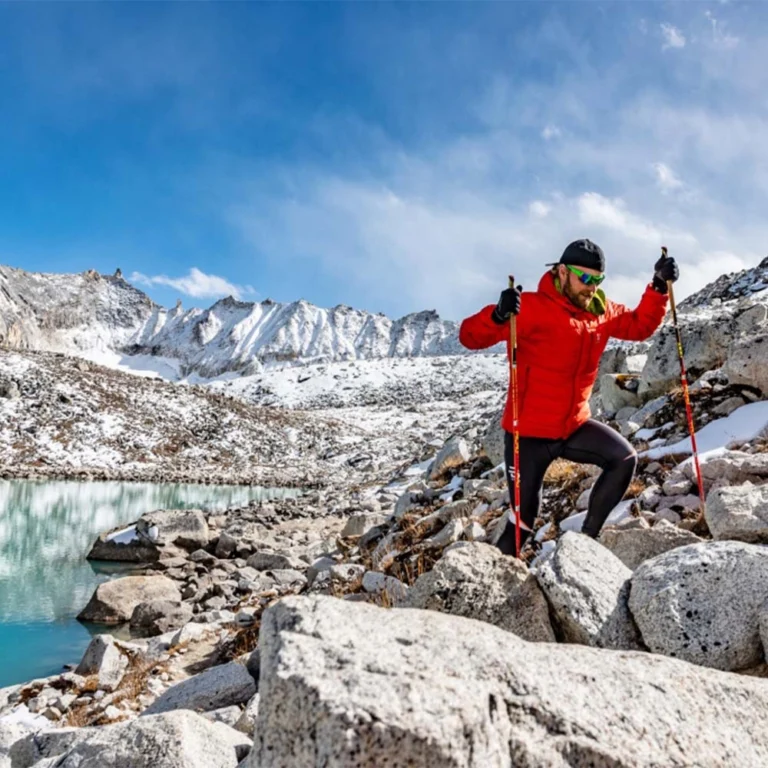
Begin the day with the ascent toward the day’s high point, taking care on uneven or exposed sections and allowing time for rest, photographs, and hydration. The experience introduces the alpine scenery that makes the Druk Path a memorable trek, giving travellers context rather than simply moving between attractions. After a relaxed lunch, continue toward one of the route’s high-altitude lakes, such as Jimilang Tsho where the selected itinerary and trail conditions permit. The landscape is more open here, and weather can affect visibility and walking speed. Later, settle into camp and enjoy the quiet mountain environment.
Day 6 Continue the Druk Path toward Thimphu
Begin the day with a morning walk across ridges and highland forest, following the route confirmed by the trekking team and taking regular breaks. The experience introduces remote mountain trails and the descent toward settled valleys, giving travellers context rather than simply moving between attractions. After a relaxed lunch, continue the trek toward the selected exit point, with lunch on the trail and views of forested valleys as the route descends. Exact mileage and camp location depend on the chosen route variation. Later, complete the walking day and transfer to accommodation if the itinerary exits the trail today; otherwise, camp according to the confirmed trek plan.
Day 7 Thimphu cultural recovery day
Begin the day with a relaxed breakfast and an easy start, allowing time for recovery after consecutive trekking days. The experience introduces the capital’s heritage after time in the mountains, giving travellers context rather than simply moving between attractions. After a relaxed lunch, visit Buddha Dordenma, the National Memorial Chorten, or a traditional craft institution according to energy levels and opening hours. The guide can explain how the city balances national institutions with Buddhist and local traditions. Later, enjoy a relaxed meal and a short market walk, with time to browse handicrafts or simply rest. This day is intentionally flexible so guests can recover without losing the opportunity to experience Thimphu.
Day 8 Departure
Begin the day with breakfast and preparation for the airport transfer, with timing based on the confirmed flight. The experience introduces a final view of Bhutan’s western valleys, giving travellers context rather than simply moving between attractions. After a relaxed lunch, if the flight schedule allows, take a short walk or enjoy a final valley viewpoint without adding strenuous activity after the trek. Later, transfer to Paro International Airport. The itinerary should be adjusted if weather or trail conditions require a buffer day; mountain trekking is always subject to local advice and safe operating decisions.
Practical information
Before you go
Trekking at altitude needs good fitness and some hiking experience. Daily distances, camp locations and the exit point depend on the confirmed route and conditions, and the itinerary may need a buffer day for weather.
We recommend travel insurance that covers trekking at altitude and emergency evacuation.
What is included
Inclusions, hotel standards and the treatment of the Sustainable Development Fee and visa are confirmed in your written proposal, based on your dates, group size and preferences. We do not publish fixed prices or inclusions until they are confirmed with our suppliers.
Questions about this tour
How fit do I need to be for the Druk Path Trek?
You should be comfortable walking for several hours a day on consecutive days, including steep and uneven sections at altitude. Regular hiking before the trip is the best preparation.
Will I get altitude sickness?
The route reaches high altitude, so the itinerary starts with time in Paro to adjust. Your guide sets a steady pace and watches for symptoms. Tell us about any medical conditions when you enquire.
What equipment do I need?
Good broken-in hiking boots, warm layers, a waterproof jacket and personal items. We will send a full kit list and explain what the support team provides once the trek is confirmed.
What happens if the weather turns?
Safety comes first. The guide may change the day’s plan or route, which is why we recommend a buffer day on trekking trips.
Trip facts
- Duration
- 8 days / 7 nights
- Route
- Paro • Druk Path trail • Jangchulakha • Jimilang Tsho • Thimphu
- Starts and ends
- Paro
- Activity level
- Moderate to challenging; several consecutive trekking days at altitude
- Best time to travel
- Spring and autumn are the usual trekking seasons. Trails can be snowbound in winter and wet in the monsoon.
- Best for
- Active travellers seeking a classic moderate-to-challenging Himalayan trek.
- Travel style
- Trekking & Adventure Tours
- Format
- Private, with a licensed guide and driver
Shape this journey around you
Dates, pace, hotels and interests can all be adjusted. Tell us what matters to you and we will reply with a written proposal.
Enquire about this tour
The tour is already selected below. Share your dates, group and anything we should know, and we will reply personally with availability and a written proposal. An enquiry is never a booking.