About this journey
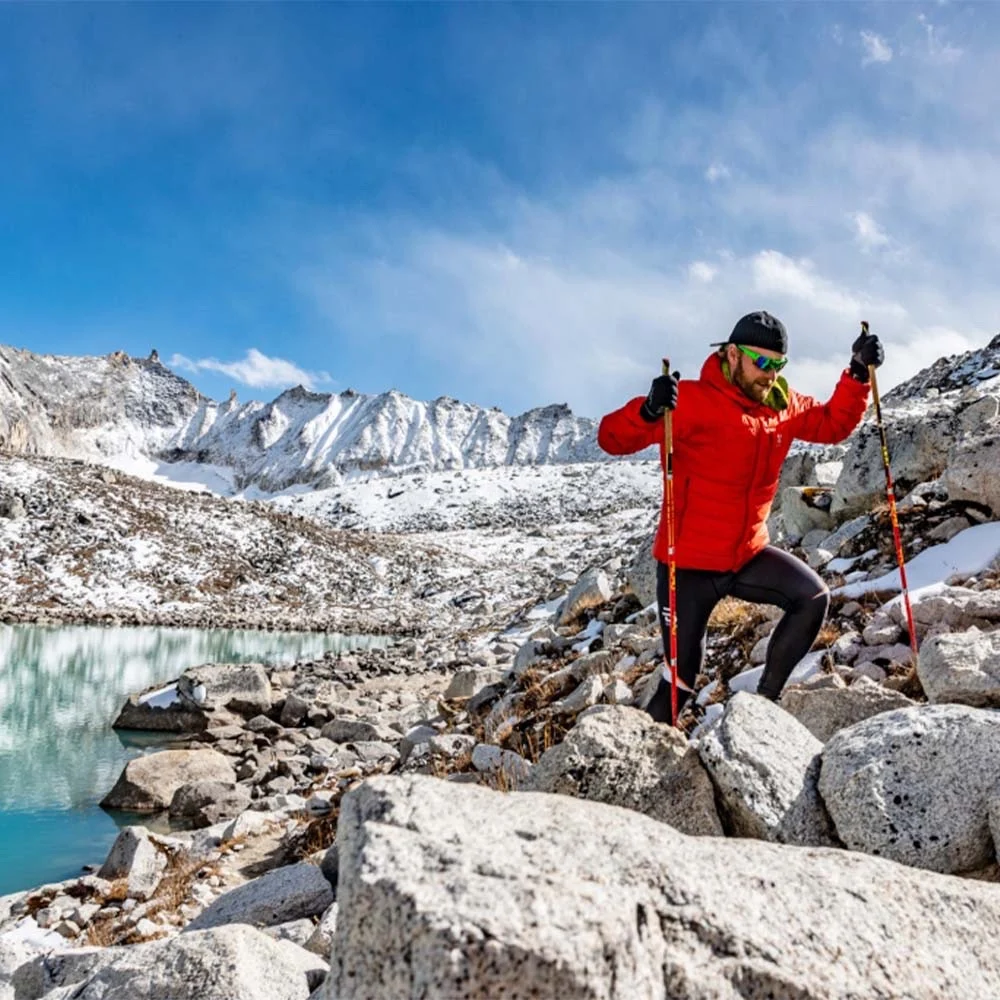
The Jomolhari trek follows the Paro Chhu upstream through forest and remote valleys to Jangothang, the classic base area beneath Jomolhari. It is one of Bhutan’s great mountain journeys, with yak pastures, high camps and snow-capped peaks.
The plan includes an acclimatisation day at Jangothang and a cultural day in Paro afterwards. Routes, permits, camps and support are confirmed before departure, and the trek is always run on the guide’s safety judgement.
Tour highlights
- Remote camps on the trail through Shana and Thangthangkha
- Jangothang, the base area for views of Jomolhari
- An acclimatisation day with an optional higher walk
- Cultural time in Paro before and after the trek
- A guided, supported camping trek
Day-by-day itinerary
Day 1 Arrive in Paro
Begin the day with a gentle airport arrival and transfer to Paro, with the remainder of the day kept free to recover from travel. The experience introduces arrival, rest, and the mountain environment ahead, giving travellers context rather than simply moving between attractions. After a relaxed lunch, continue with a short orientation walk if time permits, followed by an equipment review with the guide and trekking team. Later, enjoy a briefing about altitude, weather, walking distances, personal medication, and the need to follow the guide’s decisions throughout the trek. This journey is designed for fit hikers who understand that remote mountain conditions can change quickly.
Day 2 Paro cultural orientation
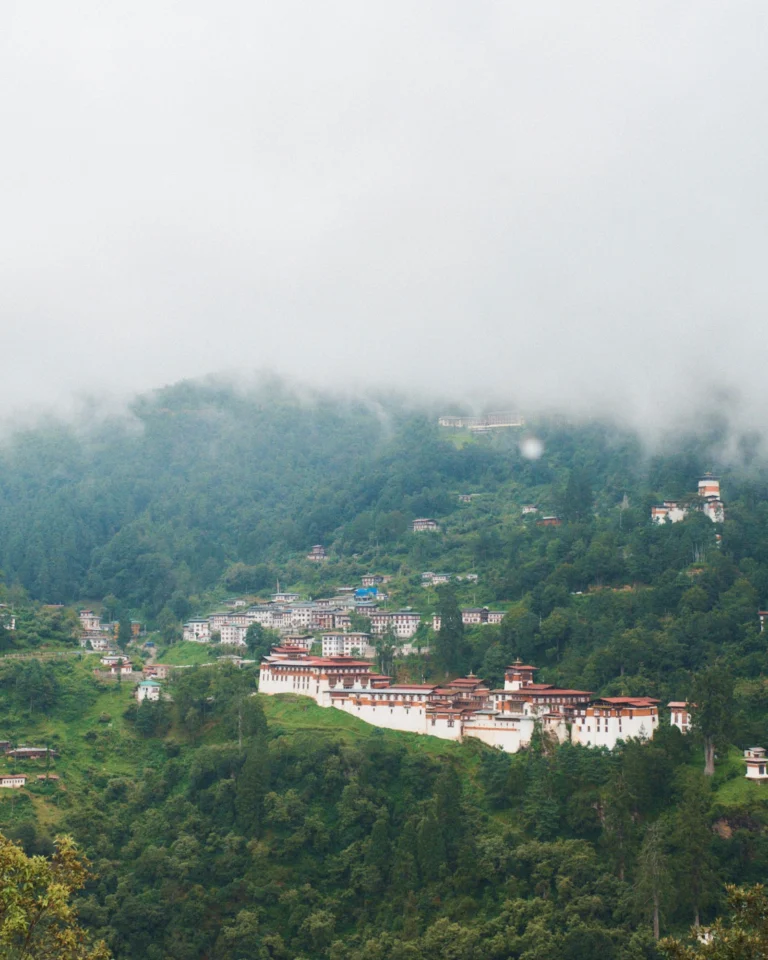
Begin the day with a visit to Rinpung Dzong or Kyichu Lhakhang, introducing the religious and historical setting of the region. The experience introduces the valley’s history before heading into the mountains, giving travellers context rather than simply moving between attractions. After a relaxed lunch, continue with a gentle walk and final equipment check, with time to purchase any essential personal items before entering a remote area. Later, enjoy an early evening meal and a detailed review of the route, camp arrangements, emergency procedures, and how the team will respond if weather or health conditions require a change.
Day 3 Drive to the trailhead and trek to camp
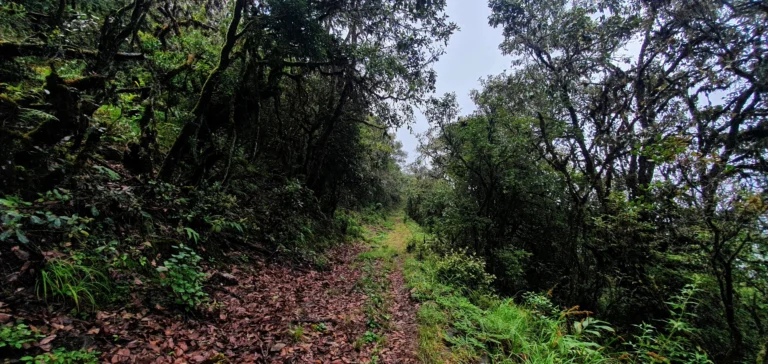
Begin the day with the drive toward the trek starting point, with time to organize equipment and meet the support crew before setting out. The experience introduces the transition from cultivated valley to forest trail, giving travellers context rather than simply moving between attractions. After a relaxed lunch, begin walking through forest and along the river valley, crossing bridges and passing scattered settlements where present. The guide sets a sustainable pace and schedules breaks based on trail conditions. Later, arrive at the planned campsite, where the team prepares camp and dinner. Keep the evening quiet, drink water regularly, and pack clothing for cool overnight temperatures.
Day 4 Trek through forest to a higher camp
Begin the day with a camp breakfast followed by a steady walk through forested terrain, listening for the changing sounds of the river and watching the vegetation shift with elevation. The experience introduces river corridors, pine forest, and increasing altitude, giving travellers context rather than simply moving between attractions. After a relaxed lunch, continue along the valley trail with regular rest stops and a packed lunch. The route may include uneven surfaces and sustained walking, so sturdy footwear and careful footing are important. Later, arrive at the designated campsite and allow time to rest before dinner.
Day 5 Trek toward Jangothang
Begin the day with a gradual ascent through open valley terrain, with the guide explaining the local landscape and the importance of moving slowly at altitude. The experience introduces the dramatic high mountain landscape of the Jomolhari region, giving travellers context rather than simply moving between attractions. After a relaxed lunch, continue toward Jangothang, the classic base area for views of Mount Jomolhari when skies are clear. Weather, cloud, and trail conditions determine the visibility and exact pace of the day. Later, reach camp, take time to hydrate and rest, and enjoy the mountain setting without strenuous extra activity. The team will monitor wellbeing and discuss the next day’s options based on conditions.
Day 6 Acclimatization and optional day walk
Begin the day with a later start or gentle morning walk around the camp area, giving the body time to adapt to elevation. The experience introduces high-altitude acclimatization and mountain viewpoints, giving travellers context rather than simply moving between attractions. After a relaxed lunch, if weather, fitness, and acclimatization permit, take an optional guided walk to a nearby viewpoint; this is not a summit attempt and should be shortened or skipped if anyone feels unwell. Later, return to camp for a warm meal and a restful afternoon. The guide will review hydration, appetite, sleep, and symptoms before deciding whether the group should continue as planned.
Day 7 Return trek through the high valley
Begin the day with break camp and begin the return journey at a steady pace, taking care on rocky or uneven sections and keeping layers accessible for changing weather. The experience introduces the changing perspective of retracing the mountain route, giving travellers context rather than simply moving between attractions. After a relaxed lunch, continue down the valley with a lunch break and time to appreciate the forest and river landscape from a different perspective. Trekking distances and the exact overnight location depend on the agreed route plan. Later, arrive at the designated campsite, enjoy dinner, and allow the support team to organize equipment for the next day.
Day 8 Continue to the trail exit
Begin the day with a camp breakfast and a final morning on the trail, with the group walking together and taking breaks as required. The experience introduces the final walking stage and return toward settled Bhutan, giving travellers context rather than simply moving between attractions. After a relaxed lunch, complete the planned descent toward the trail exit, where the vehicle transfer and support arrangements will be confirmed by the operator. Mud, rain, and trail wear can affect walking time. Later, return to Paro or the nearest confirmed overnight location, depending on the final trek logistics. Enjoy a hot shower and a relaxed meal, and let the guide know about any discomfort or equipment issues.
Day 9 Recovery and Paro heritage
Begin the day with a relaxed morning with no strenuous activity, giving guests time to recover after several days of mountain walking. The experience introduces rest after trekking and the valley’s cultural highlights, giving travellers context rather than simply moving between attractions. After a relaxed lunch, visit the National Museum or Drukgyel Dzong if open and practical, or enjoy a gentle town walk with views toward the surrounding mountains. Later, enjoy a farewell dinner and time to review the trek, with the guide sharing information about local conservation, mountain environments, and the communities connected to the route.
Day 10 Departure
Begin the day with breakfast and preparation for the airport transfer, allowing sufficient time for the drive and flight check-in. The experience introduces a safe and unhurried end to the trek holiday, giving travellers context rather than simply moving between attractions. After a relaxed lunch, if the flight schedule permits, enjoy a brief stop for local crafts or a final view of the valley without strenuous walking. Later, transfer to Paro International Airport. This demanding itinerary should be sold only after discussing fitness, altitude experience, travel insurance, seasonal conditions, and the possibility of weather-related changes.
Practical information
Before you go
This is a demanding high-altitude trek. You need very good fitness and previous multi-day hiking experience. Weather and acclimatisation can change the plan at any time.
We recommend travel insurance that covers trekking at high altitude and emergency evacuation.
What is included
Inclusions, hotel standards and the treatment of the Sustainable Development Fee and visa are confirmed in your written proposal, based on your dates, group size and preferences. We do not publish fixed prices or inclusions until they are confirmed with our suppliers.
Questions about this tour
How difficult is the Jomolhari trek?
It is demanding. Days are long, the trail climbs to high altitude, and nights in camp are cold. It suits experienced hikers in very good health.
When is the best time for this trek?
Spring and autumn are the usual seasons. We check conditions for your dates before confirming.
Is there an acclimatisation day?
Yes. Day 6 is planned at Jangothang for acclimatisation, with an optional higher walk if weather and fitness allow.
What support is provided on the trek?
Treks are run with a guide and a support team who set up camp and prepare meals. The exact arrangements are confirmed in your written proposal.
Trip facts
- Duration
- 10 days / 9 nights
- Route
- Paro • Shana • Thangthangkha • Jangothang • return to Paro
- Starts and ends
- Paro
- Activity level
- Challenging; high altitude and long trekking days
- Best time to travel
- Spring and autumn are the usual seasons for high treks. Snow can close high routes in winter.
- Best for
- Experienced hikers seeking a demanding, high-altitude trek with cultural time before and after.
- Travel style
- Trekking & Adventure Tours
- Format
- Private, with a licensed guide and driver
Shape this journey around you
Dates, pace, hotels and interests can all be adjusted. Tell us what matters to you and we will reply with a written proposal.
Enquire about this tour
The tour is already selected below. Share your dates, group and anything we should know, and we will reply personally with availability and a written proposal. An enquiry is never a booking.