About this journey
Buddhism shapes daily life in Bhutan, from prayer flags on the passes to butter lamps in village temples. This eight-day journey visits revered sites such as Kyichu Lhakhang, Punakha Dzong and Tiger’s Nest, with time to understand the beliefs and practices behind them.
Days are deliberately unhurried. Your guide explains temple etiquette from the first evening, visits are chosen around access and local schedules, and the Tiger’s Nest climb has a full day, with nights in Paro before and after.
Tour highlights
- Kyichu Lhakhang, one of Bhutan's revered early temples
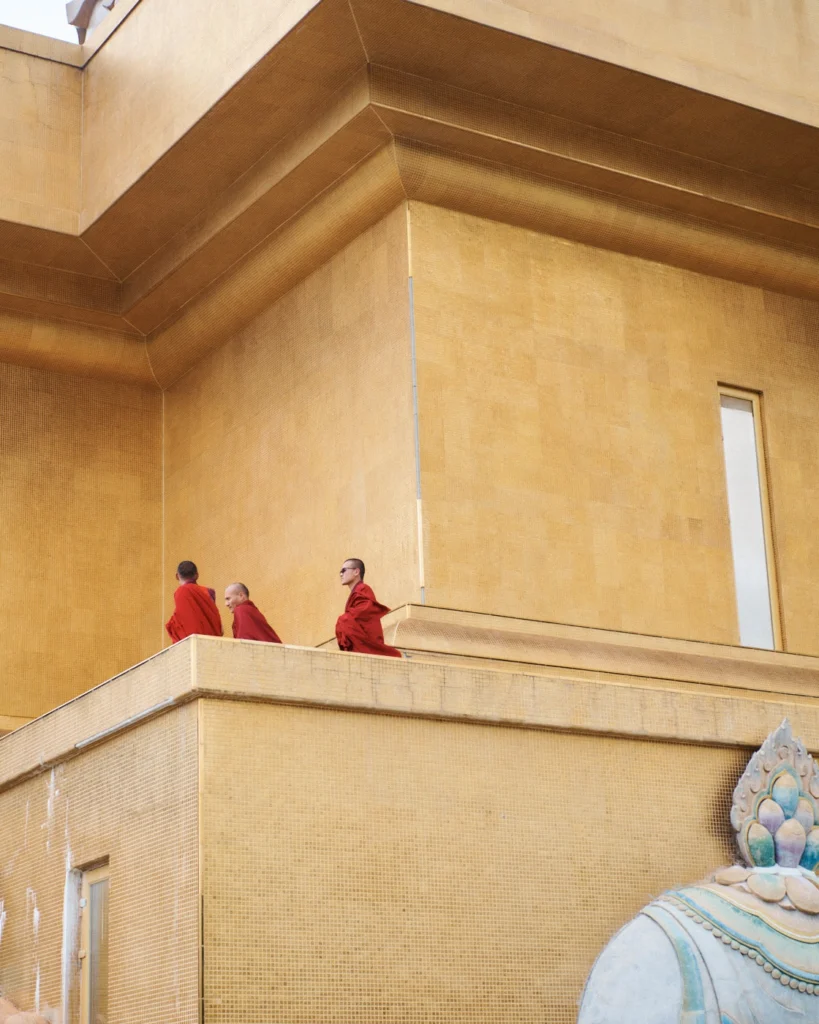
- Buddha Dordenma and the National Memorial Chorten in Thimphu
- A monastery or cultural institution open to visitors, chosen by current access
- Dochula Pass and Punakha Dzong
- A full day for the hike to Taktsang (Tiger's Nest)
Day-by-day itinerary
Day 1 Arrival in Paro
Begin the day with a gentle arrival and orientation in Paro, allowing time to rest and adjust before visiting any religious sites. The experience introduces the quiet rituals and sacred geography of Bhutan, giving travellers context rather than simply moving between attractions. After a relaxed lunch, continue with a short visit to a suitable temple or a scenic walk near the hotel, depending on arrival time and access, with an introduction to Buddhist customs and the meaning of prayer flags and chortens. Later, enjoy a calm evening and briefing on temple etiquette, including removing shoes where required, dressing modestly, and asking permission before photographing people or ritual activities.
Day 2 Kyichu Lhakhang and Paro’s sacred sites
Begin the day with Kyichu Lhakhang, one of Bhutan’s revered old temples, where the guide explains its historical associations and the living practice of prayer and offerings. The experience introduces the role of pilgrimage and temple traditions in Bhutanese life, giving travellers context rather than simply moving between attractions. After a relaxed lunch, continue with Rinpung Dzong and, if open, the National Museum to explore the relationship between religious art, historical memory, and the administration of the valley. Later, enjoy a quiet walk through Paro or a visit to another accessible shrine selected around local schedules, leaving time for reflection rather than packing the day with stops.
Day 3 Travel to Thimphu and valley viewpoints
Begin the day with the scenic drive to Thimphu, with a stop at Tachog Lhakhang if accessible and suitable for the day’s timing. The experience introduces how spiritual landmarks shape the capital’s landscape, giving travellers context rather than simply moving between attractions. After a relaxed lunch, continue with Buddha Dordenma and the National Memorial Chorten, where visitors can observe prayer practices and learn how sacred spaces serve both community life and national identity. Later, enjoy a gentle evening walk or time at leisure, with optional discussion about Bhutanese Buddhist schools and the importance of respectful curiosity when visiting religious places.
Day 4 Monastic learning and traditional arts
Begin the day with a visit to a monastery or cultural institution open to visitors, chosen according to current access, to understand how Buddhist study and ritual practice are maintained. The experience introduces the relationship between sacred knowledge, art, and everyday life, giving travellers context rather than simply moving between attractions. After a relaxed lunch, continue with the National Institute for Zorig Chusum or a craft museum, exploring how iconography, painting, sculpture, and textile traditions preserve religious and cultural knowledge. Later, enjoy time to browse a local craft shop or take a short walk through the capital, with the guide helping identify respectful ways to engage with sacred objects and local artisans.
Day 5 Dochula Pass and Punakha Dzong
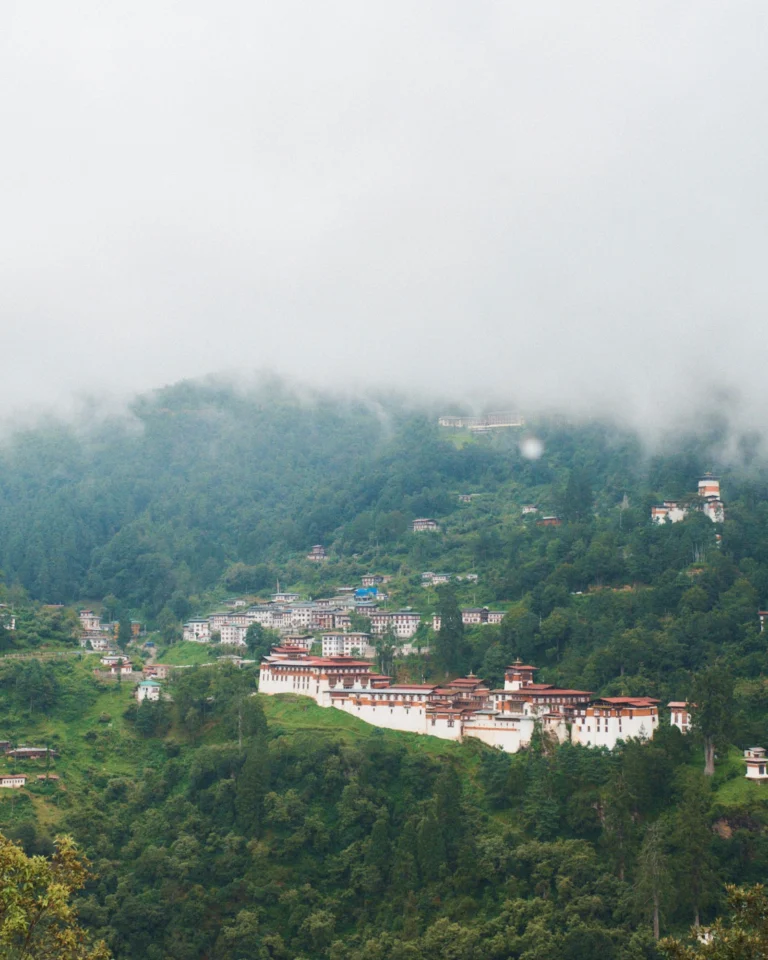
Begin the day with a drive over Dochula Pass, where chortens and prayer flags create a striking setting for discussing merit-making, remembrance, and mountain reverence. The experience introduces the spiritual symbolism of monuments in the Himalayan landscape, giving travellers context rather than simply moving between attractions. After a relaxed lunch, continue with Punakha Dzong, a major religious and administrative complex positioned at the confluence of the Pho Chhu and Mo Chhu rivers; access to interior areas depends on official schedules. Later, enjoy a peaceful riverside stroll or time to rest at the lodge, allowing the day’s architectural and spiritual impressions to settle without rushing between sites.
Day 6 Return to Paro and prepare for Taktsang
Begin the day with the drive back to Paro with a stop at a village or viewpoint, depending on conditions and timing. The experience introduces pilgrimage, landscape, and the spiritual importance of effort, giving travellers context rather than simply moving between attractions. After a relaxed lunch, continue with a visit to a local temple or a relaxed afternoon in Paro, keeping the schedule intentionally light before the next day’s uphill hike. Later, enjoy a detailed briefing for the Tiger’s Nest walk, covering footwear, water, weather layers, walking pace, and the need to follow site rules and any restrictions on photography.
Day 7 Hike to Tiger’s Nest Monastery
Today is reserved for the Taktsang (Tiger’s Nest) hike, not an airport departure. After breakfast, drive to the trailhead and allow around four to five hours for the return walk, with additional time if guests want a slower pace or a longer visit at the monastery. The route climbs steadily and includes uneven steps, so guests should wear proper walking shoes and carry water, sun protection, and a light waterproof layer. Pause at the cafeteria viewpoint before continuing to the monastery, and observe all current entry and photography rules. Return to Paro during the afternoon and leave the remainder of the day free for recovery. Overnight in Paro. Book the international departure for the following day so guests are not forced to rush the hike or risk missing a flight.
Day 8 Departure from Paro
Enjoy breakfast and prepare for the transfer to Paro International Airport. The driver should confirm the pickup time based on the flight schedule and allow a comfortable buffer for check-in. Keep this day free of major sightseeing so guests can depart without pressure after the Tiger’s Nest hike and overnight in Paro. If the flight is late, a short walk through town may be possible, but only if the guide confirms that the airport transfer will remain unhurried. Check travel documents, luggage, and any hotel extras before leaving. Transfer to the airport for the onward flight. This is a dedicated departure day, separate from the monastery hike, and the itinerary should be quoted with seven nights to support the eight-day schedule.
Practical information
Before you go
The Tiger's Nest (Taktsang) hike is a sustained climb on uneven steps, usually around four to five hours return. It has a full day to itself, with nights in Paro before and after.
Modest dress is expected in temples and dzongs: shoulders and knees covered, hats removed. Photography is not allowed inside most temples.
What is included
Inclusions, hotel standards and the treatment of the Sustainable Development Fee and visa are confirmed in your written proposal, based on your dates, group size and preferences. We do not publish fixed prices or inclusions until they are confirmed with our suppliers.
Questions about this tour
Do I need to be Buddhist to join this journey?
No. Everyone is welcome. Your guide explains customs and meanings so you can visit respectfully, whatever your own beliefs.
What should I wear to temples and dzongs?
Long sleeves and long trousers or skirts, with a collar for men where possible. Remove hats and, where asked, shoes. Your guide will tell you the rules at each site.
Can I take photographs inside temples?
Usually not. Photography is generally not allowed inside temple shrines. Outside, ask before photographing people, especially monks and people at prayer.
How hard is the Tiger’s Nest hike?
It is a steady climb of around four to five hours return, with uneven steps. It has its own day, so you can take it slowly.
Trip facts
- Duration
- 8 days / 7 nights
- Route
- Paro • Thimphu • Punakha • Paro
- Starts and ends
- Paro
- Activity level
- Easy to moderate, with one full-day uphill hike
- Best time to travel
- Spring (March to May) and autumn (September to November) usually bring the clearest views. Winter is cold but often bright; June to August is the monsoon season.
- Best for
- Travellers interested in Buddhist heritage, architecture and reflective travel.
- Travel style
- Cultural Tours
- Format
- Private, with a licensed guide and driver
Shape this journey around you
Dates, pace, hotels and interests can all be adjusted. Tell us what matters to you and we will reply with a written proposal.
Enquire about this tour
The tour is already selected below. Share your dates, group and anything we should know, and we will reply personally with availability and a written proposal. An enquiry is never a booking.