About this journey
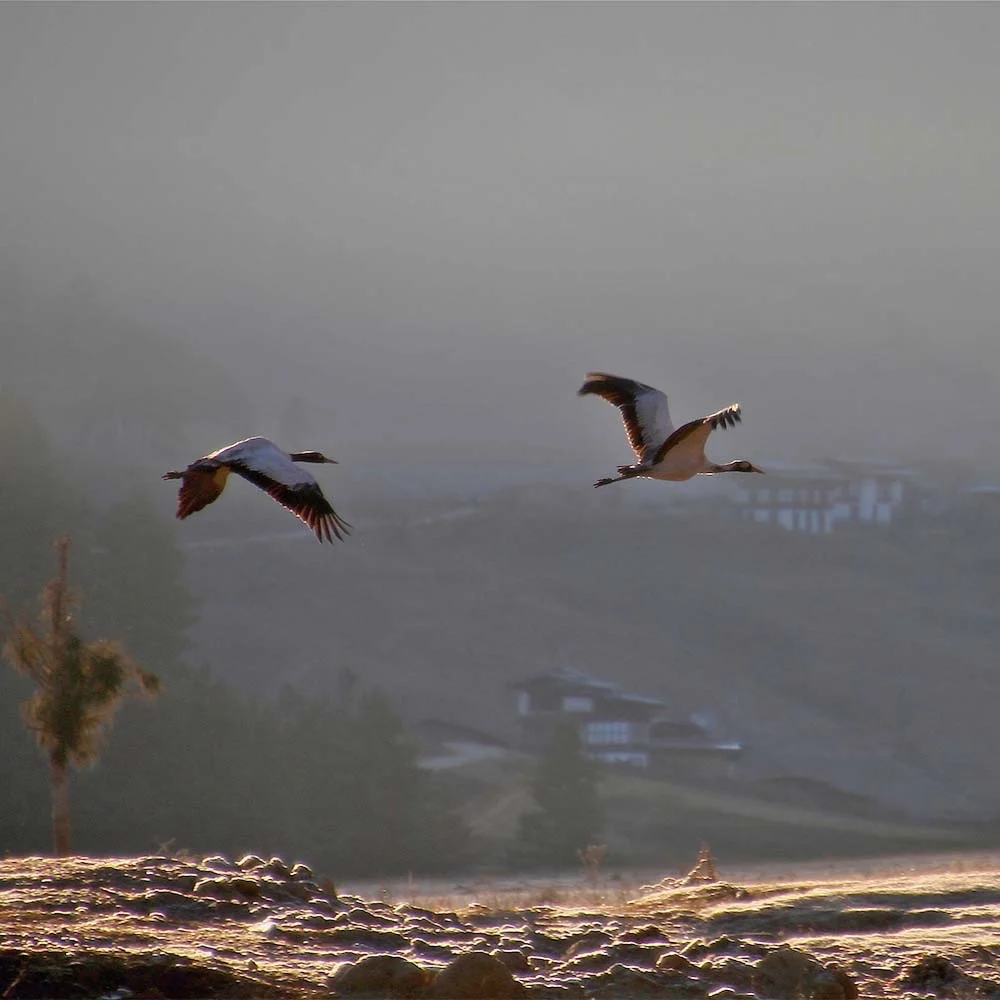
Bhutan protects much of its land as forest and national park. This seven-day journey focuses on that natural world: forest walks, birdlife and the glacial Phobjikha valley, where black-necked cranes spend the winter.
The pace suits photographers and nature lovers. Wildlife sightings are never guaranteed, and the plan is adjusted to the season and conditions.
Tour highlights
- Phobjikha valley nature walks
- The Black-necked Crane Information Centre, when open
- Forest and village exploration
- Conservation stories from local guides
- Thimphu, Dochula Pass and Punakha
Day-by-day itinerary
Day 1 Arrive in Paro
Begin the day with a gentle arrival and transfer to your hotel, with time to recover and enjoy the views across the cultivated valley. The experience introduces the landscape and biodiversity of Bhutan’s western valleys, giving travellers context rather than simply moving between attractions. After a relaxed lunch, continue with a short walk or viewpoint stop depending on arrival time, while your guide introduces Bhutan’s varied elevations and why mountain geography supports diverse habitats. Later, enjoy a relaxed dinner and briefing about responsible nature travel, including staying on marked paths, keeping distance from wildlife, and avoiding noise near sensitive habitats.
Day 2 Paro to Thimphu and nature orientation
Drive toward Thimphu with a stop at a suitable heritage or riverside viewpoint when timing allows. The experience introduces the relationship between Bhutan’s towns, forests, and protected landscapes, giving travellers context rather than simply moving between attractions. After a relaxed lunch, visit Buddha Dordenma or a local nature viewpoint, then take a gentle walk in a forested area or urban green space selected according to conditions. Later, enjoy an evening at leisure and discuss the next day’s drive into the higher valley of Phobjikha, including seasonal clothing and the possibility of changing weather.
Day 3 Thimphu to Phobjikha via Dochula
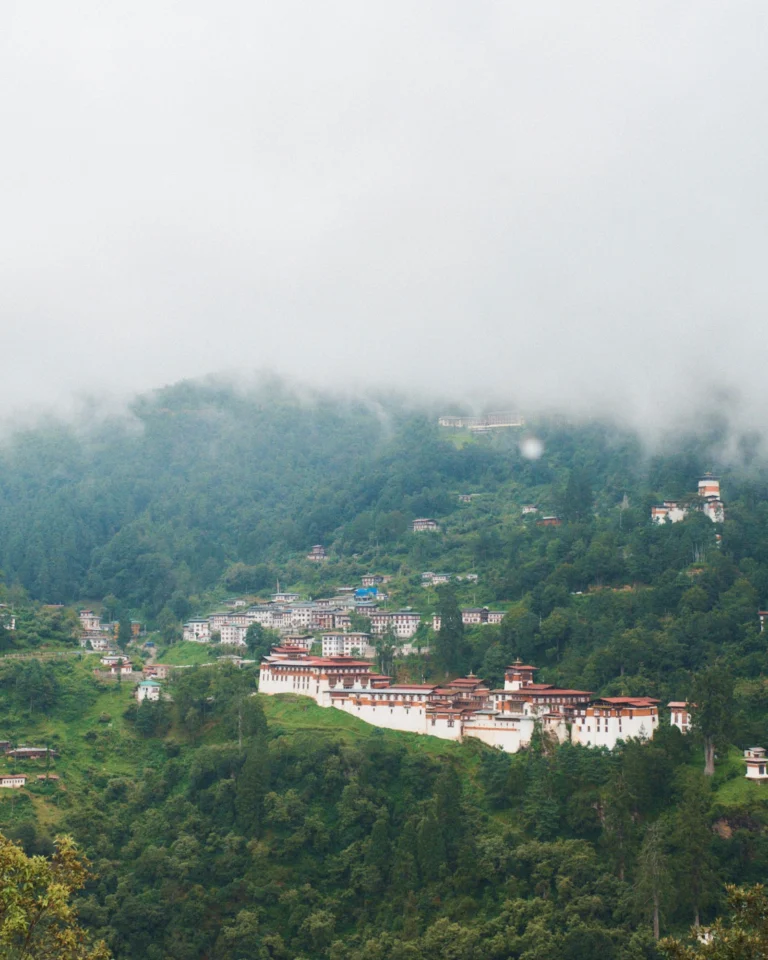
Cross Dochula Pass, with time to observe forest types and mountain views when the weather is clear. The experience introduces highland ecosystems and the transition into a glacial valley, giving travellers context rather than simply moving between attractions. After a relaxed lunch, continue through villages and wooded slopes toward Phobjikha, stopping at safe viewpoints to observe the landscape transition. On arrival, visit Gangtey Goemba if open and learn about the valley’s cultural and ecological significance. Later, enjoy a gentle evening walk near the accommodation, keeping noise low and following local guidance around wildlife and farmland.
Day 4 Phobjikha Valley nature walk
Walk part of the Gangtey Nature Trail with a local guide, enjoying open valley views, woodland, and traditional settlements at a comfortable pace. The experience introduces meadows, wetlands, and the conservation of black-necked cranes, giving travellers context rather than simply moving between attractions. After a relaxed lunch, visit the Black-necked Crane Information Centre when open, particularly in winter when cranes typically visit the valley. Outside crane season, the centre or guide can provide context about migration and habitat protection; sightings are never guaranteed. Later, enjoy spend the late afternoon observing the landscape from designated areas or relaxing at the lodge, with discussion about how tourism can support conservation and local livelihoods.
Day 5 Forest and village exploration
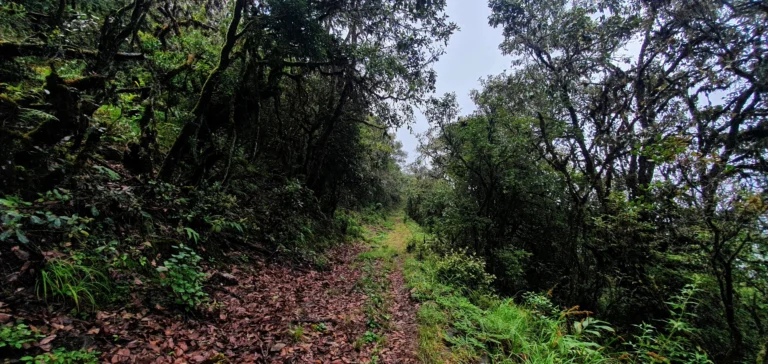
Take a gentle guided walk selected for current weather and trail conditions, looking for plant diversity, birds, and signs of seasonal farming rather than expecting guaranteed wildlife sightings. The experience introduces the biodiversity and human stories of a Himalayan valley, giving travellers context rather than simply moving between attractions. After a relaxed lunch, visit a village or local farm by prior arrangement, learning how communities use land and adapt to the highland climate. Any photography or interaction should be guided by host consent and local etiquette. Later, enjoy a quiet evening and, if skies are clear, spend time appreciating the valley’s night atmosphere without disturbing wildlife or nearby residents.
Day 6 Punakha and return to Paro
Leave Phobjikha and drive toward Punakha, with a stop for a short walk or viewpoint when conditions allow. The experience introduces the contrast between highland habitats and warmer river valleys, giving travellers context rather than simply moving between attractions. After a relaxed lunch, visit Punakha Dzong or enjoy a riverside walk, observing how vegetation and agriculture change at lower elevation, before continuing toward Paro according to the final route plan. Later, settle in for a final evening and review the trip’s nature observations with your guide. If guests prefer less driving, add an overnight in Punakha rather than compressing both valleys into one day.
Day 7 Departure
Begin the day with breakfast and preparation for the airport transfer. The experience introduces a final moment in Bhutan’s valley landscape, giving travellers context rather than simply moving between attractions. After a relaxed lunch, if time permits, enjoy a short local walk or pick up locally made crafts from a reputable shop. Later, transfer to Paro International Airport. The tour is designed around landscape and learning, not guaranteed wildlife encounters; season, weather, and animal behaviour shape what visitors may see.
Practical information
Before you go
Wildlife and crane sightings are never guaranteed. Phobjikha can be cold, especially in winter.
Mountain roads are narrow and winding. Driving times in this itinerary are estimates before stops, roadworks and weather, and are confirmed with you before travel.
What is included
Inclusions, hotel standards and the treatment of the Sustainable Development Fee and visa are confirmed in your written proposal, based on your dates, group size and preferences. We do not publish fixed prices or inclusions until they are confirmed with our suppliers.
Questions about this tour
When can I see the black-necked cranes?
The cranes winter in Phobjikha, roughly from late October to February. Outside these months the valley is still excellent for walks and birdlife.
Are sightings guaranteed?
No. Wildlife moves freely and weather affects visibility. Your guide knows where to look and how to watch without disturbing the birds.
Is this tour good for photographers?
Yes. The pace allows early starts, waiting time and returning to good spots. Tell us your interests when you enquire.
How cold is Phobjikha in winter?
It is high and can be very cold, especially at night. Warm layers, a hat and gloves are essential.
Trip facts
- Duration
- 7 days / 6 nights
- Route
- Paro • Thimphu • Phobjikha • Punakha • Paro
- Starts and ends
- Paro
- Activity level
- Easy to moderate; day walks
- Best time to travel
- Black-necked cranes winter in Phobjikha, roughly from late October to February. Spring brings flowering forests and good birdlife.
- Best for
- Nature lovers, photographers, birdwatchers and slower-paced travellers.
- Travel style
- Nature & Wildlife Tours
- Format
- Private, with a licensed guide and driver
Shape this journey around you
Dates, pace, hotels and interests can all be adjusted. Tell us what matters to you and we will reply with a written proposal.
Enquire about this tour
The tour is already selected below. Share your dates, group and anything we should know, and we will reply personally with availability and a written proposal. An enquiry is never a booking.